

This Is Not Anti-Ageing. It Is Something More Interesting.
THE METHOD — ARTICLE 03
The anti-ageing industry wants to sell you a fight. We think there is a better question to ask.
Walk into any pharmacy and you will find an entire aisle devoted to the proposition that ageing is a problem to be solved. Creams, supplements, procedures — a global industry worth hundreds of billions, united by a single, unexamined premise: that the goal is to appear and feel as if ageing is not happening.
Reverso is not part of that industry. It does not share that premise.
The distinction matters — not as a marketing point, but because it shapes everything about what the experience is, what it asks of you, and what it can deliver.
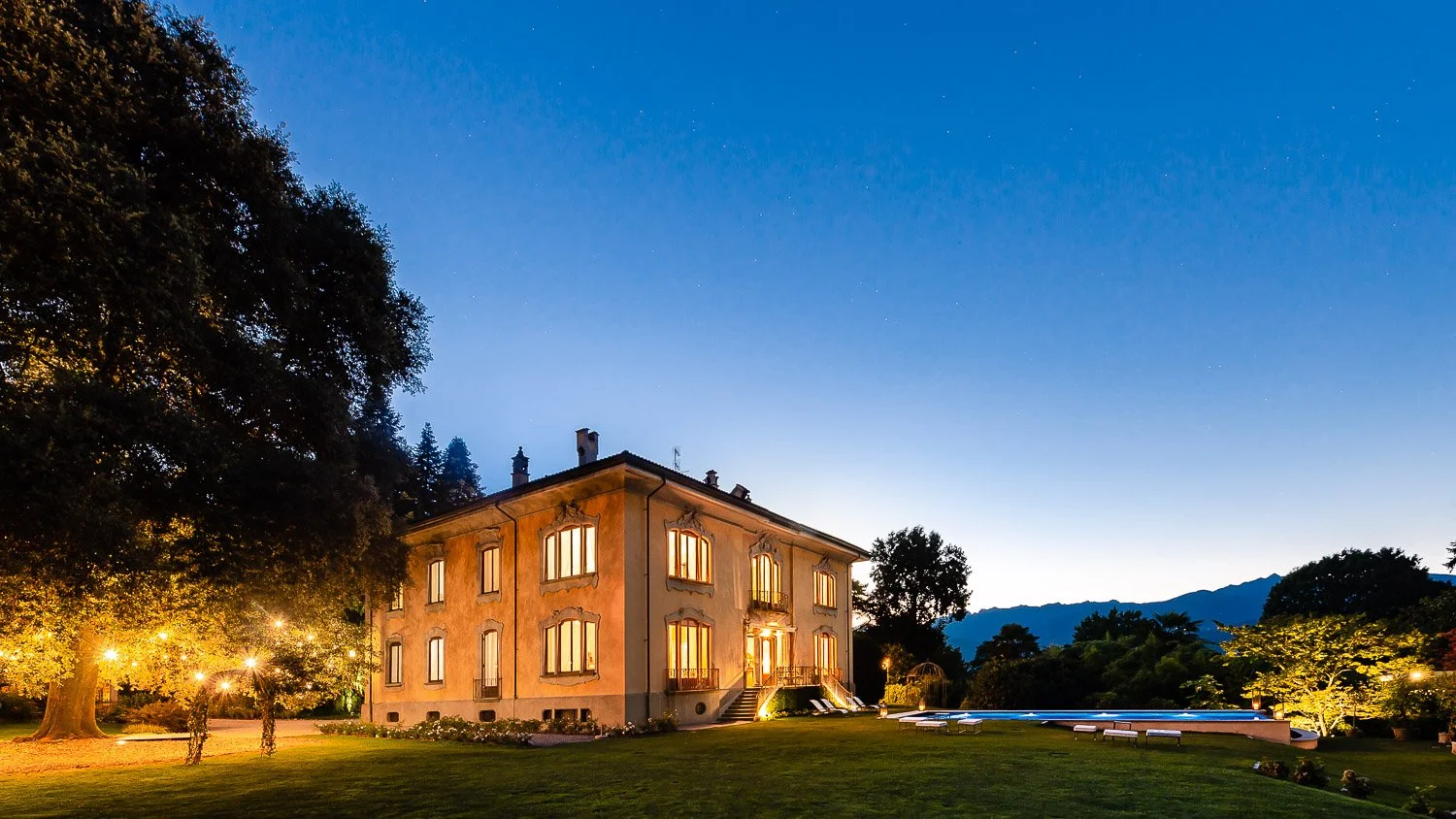
Photo copyright: Villa Frua
The anti-ageing framing
Anti-ageing, as a concept, positions time as an adversary and the body as a battleground. Its implicit promise is that with the right intervention, you can hold the line — preserve the appearance and function of an earlier version of yourself against the inevitable advance of years.
There is a version of this that is simply good medicine: maintaining physical fitness, eating well, sleeping adequately, staying cognitively active. Nobody would argue with these things. But the anti-ageing industry has stretched this sensible core into something stranger — a cultural obsession with the appearance of youth that often has more to do with anxiety than with health.
The problem with fighting time is that it is a fight you will lose. And spending your attention on that fight may cost you something more valuable than the years you are trying to preserve.
A different question
Reverso starts from a different place. Not 'how do I slow this down?' but 'how much of what I experience as decline is actually the result of fixed, untested beliefs about what is possible?'
It is, in a sense, a more optimistic question — because it opens a space that the anti-ageing frame closes. It suggests that there is agency available that is not about intervention, product, or procedure. It is about attention, expectation, and the remarkable responsiveness of the human body to the signals its environment sends it.
The goal is not to look younger. The goal is to discover what you are actually capable of — which may be considerably more than you assumed.
What the science actually says
Ellen Langer's four decades of research, and Francesco Pagnini's 2021 clinical validation, point to a specific mechanism: when people operate in an environment that elicits a different sense of self — a younger, more capable, more open-to-possibility sense of self — measurable physical and psychological improvements follow.
Not because they have been deceived. Not because of positive thinking. Because the body is a responsive system, and the mind's expectations are a significant input into that system.
This is a different proposition from anti-ageing. It is not about preserving something. It is about discovering something — about the distance between who you have become and who you might still be.
In a world obsessed with anti-ageing
We want to add life to years — not only years to life.
The distinction is not trivial. Anti-ageing is largely concerned with quantity: more years, slower decline, a longer hold on the condition of an earlier decade. What Reverso is concerned with is quality: the richness, curiosity, physical ease and psychological openness that are possible within the years you have.
The science suggests these two goals are not unrelated. But if you had to choose a starting point, we think the second is both more interesting and more achievable.
You are not here to fight time. You are here to find out how much of what you call 'ageing' is actually something else — and what becomes possible when you look at it clearly.
Reverso Counterclockwise — reverso-retreat.com
