

Your Body Listens to What You Think About Yourself
THE SCIENCE — ARTICLE 02
The link between belief and biology is not mystical. It is one of the best-documented findings in contemporary psychology — and most of us have never been told about it.
There is a study that is rarely mentioned in conversations about health, but probably should be.
In the early 1980s, psychologist Ellen Langer and her colleagues gave a group of hotel chambermaids some information. The chambermaids had told researchers they did not exercise. Their physiological measurements — blood pressure, body fat, waist-to-hip ratio — were consistent with sedentary adults.
The researchers told half of them that the physical work they did every day — cleaning rooms, changing linens, pushing trolleys — met the Surgeon General's recommendations for an active lifestyle. The other half heard nothing.
Four weeks later, the group that had received the information showed significant improvements across every physiological marker. The control group showed none. Nothing else in their lives had changed.
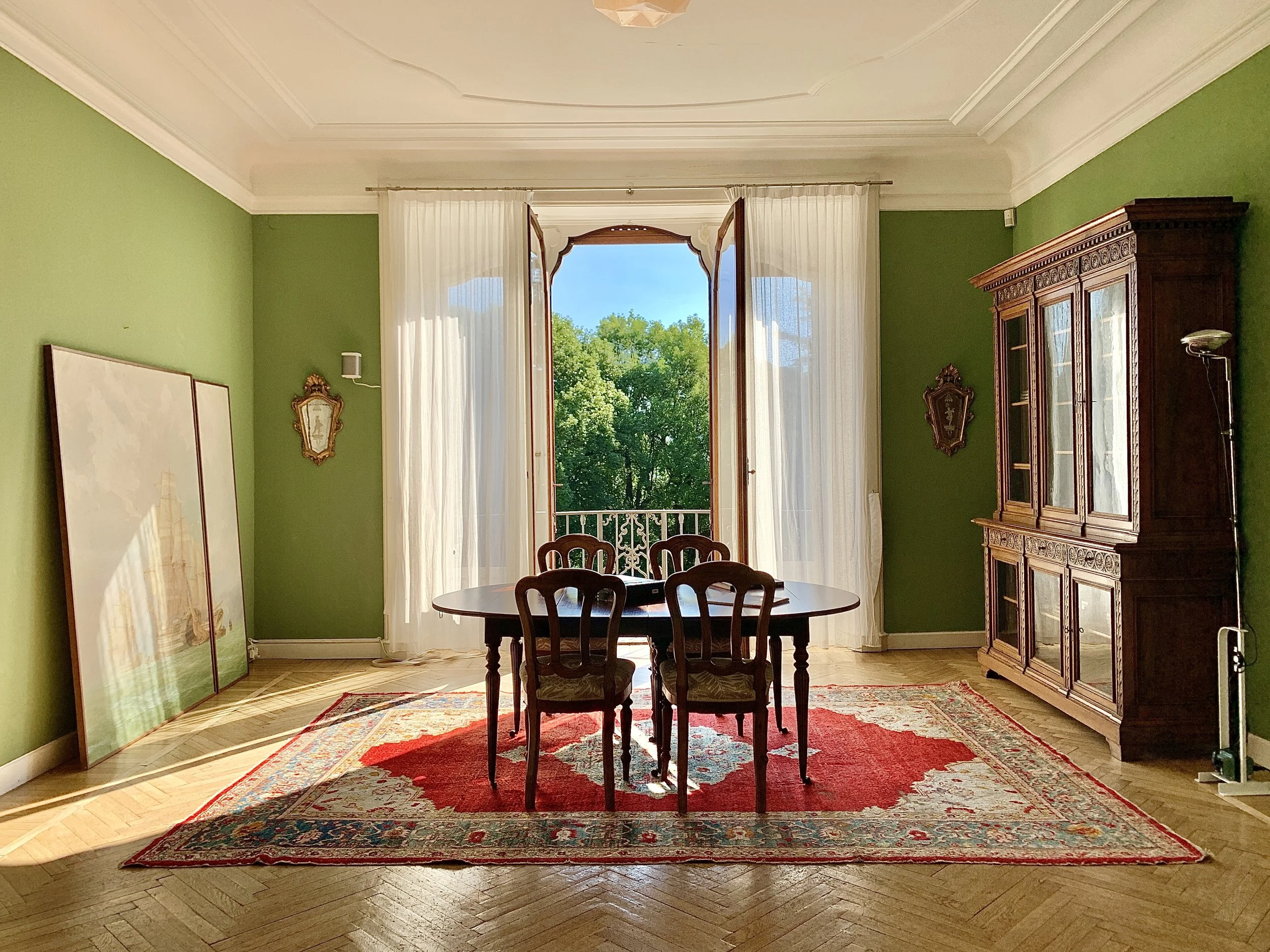
Photo copyright: Villa Frua
The expectation effect
Langer called this 'mindless' versus 'mindful' engagement with one's own body. When the chambermaids believed their work was exercise, they were paying different attention to it — and that attention, routed through the nervous system's complex feedback loops, produced measurable physical change.
This is not the same as the placebo effect, though the two are related. The placebo effect typically involves a specific belief about a specific treatment. What Langer was documenting was something broader and more pervasive: the ongoing, background expectations we carry about our own capabilities, and the way those expectations calibrate what the body does.
The implications are significant. If the body is, in part, shaped by what we believe about it, then the beliefs are not incidental to health — they are a variable in it.
Where age beliefs come in
This becomes especially interesting when applied to ageing. We accumulate beliefs about age throughout our lives — from watching older relatives, from cultural representations, from the subtle and not-so-subtle messages of the medical establishment. By the time we are fifty, most of us have a fairly detailed mental model of what ageing looks and feels like. And that model, the research suggests, actively shapes the experience.
In a landmark study, Becca Levy of Yale University followed adults over twenty-three years and found that those with more positive self-perceptions of ageing lived, on average, seven and a half years longer than those with negative ones. The effect held even after controlling for age, gender, socioeconomic status, loneliness and functional health.
Seven and a half years. From a belief.
The body as a responsive system
None of this means that ageing is purely psychological, or that belief alone can reverse biological processes. The body is a physical system with physical constraints. What the research demonstrates is that within those constraints, there is far more variability — and far more responsiveness to mental and environmental inputs — than the standard model of decline suggests.
We treat the body as a fixed machine and the mind as a passenger. The evidence suggests a much more intimate relationship between the two.
This is the operating principle behind the Counterclockwise protocol developed by Langer and subsequently validated by Professor Francesco Pagnini in a 2021 clinical trial. When participants were immersed for a week in an environment designed to elicit a younger sense of self — one that predated the accumulation of age-expectations — measurable physical improvements followed. Not as a side effect. As a predicted outcome of the model.
What this asks of us
There is a practical question embedded in all of this research, and it is not entirely comfortable: which of the limitations you currently attribute to your age have you actually tested? And which have you simply accepted because accepting them seemed like the reasonable, realistic thing to do?
Realism has its place. But so does curiosity. And the science suggests that approaching your own capacities with the latter — actively noticing, questioning assumptions, remaining genuinely open to what is possible — may be one of the most consequential health decisions available to you.
The chambermaids did not change their routines. They changed their relationship to what they were already doing. The body noticed the difference.
Reverso Counterclockwise — reverso-retreat.com
